Request a quote
Get a Quote for Engine Filters
Email and phone are required. Leave anything you don't know blank.

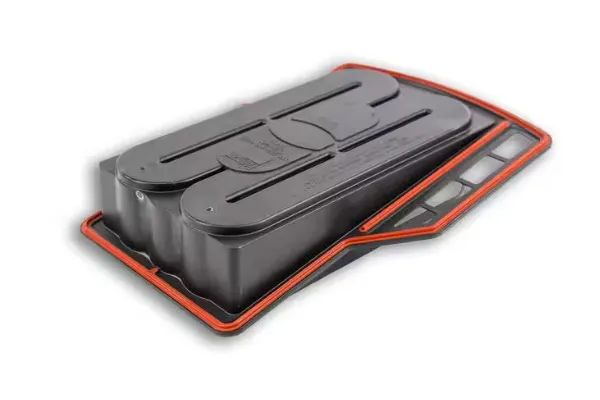
A crankcase filter, a CCV filter, and a crankcase breather filter are three names for one element: the crankcase ventilation filter fitted to a Cummins engine. It separates oil mist from blow-by gas before that gas returns to the intake. The correct element is confirmed against the engine build, the installed position, and the complete number on the element you are replacing.
Request a Filter Quote →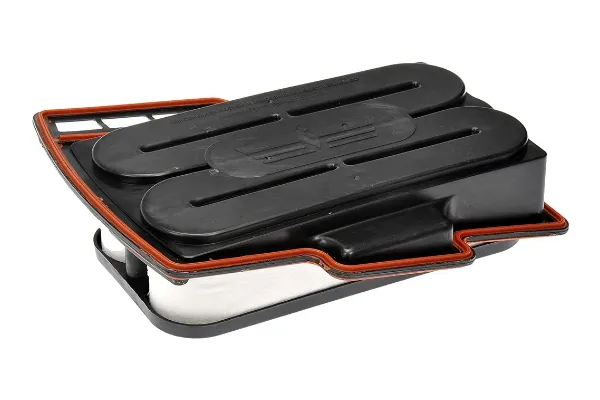
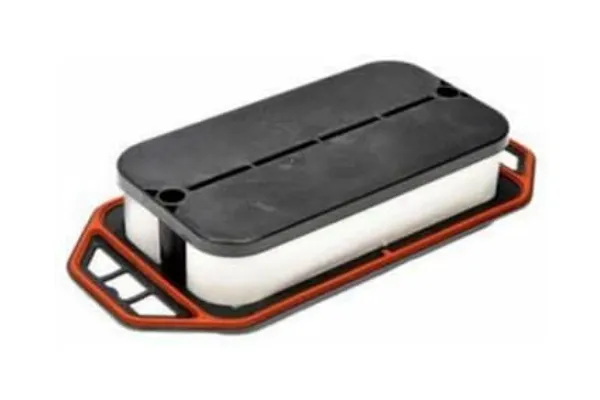
Two crankcase ventilation references we quote are listed below. Each is a candidate until it is confirmed against your engine build.
These are reference numbers, not fitment certificates. We confirm the complete number, the maker, and the contents against the build record before the quotation is issued. If your machine runs a different reference, send the number off the removed element and we will confirm the correct item.
The crankcase ventilation filter sits between the crankcase and the intake. It separates oil mist from blow-by gas before the gas is drawn back into the intake and burned.
As the engine runs, combustion pressure leaks past the piston rings into the crankcase as blow-by gas. That gas carries oil mist, soot and fuel vapour with it. The element separates the oil from the gas so the intake receives air, not oil.
The filter brands that serve these engines document the crankcase breather element and its role. Baldwin’s crankcase breathers literature describes how the element separates oil from blow-by gas.
A spent element lets oil mist reach the turbo, the charge air cooler and the intake. A restricted element raises crankcase pressure and can push oil past the front and rear seals.
Both failures are expensive, and both are preventable by fitting the right element and replacing it on the engine maker’s schedule. What distinguishes one element from another comes down to media, seals and the application record, so those details are worth confirming before ordering.
The model designation alone does not set the element. The engine record, the installed position and the complete number on the removed filter determine what needs to be checked.
The three names cause more confusion than any other part of ordering this element. In the workshop they all point to the same service part.
| Term you may see | What it names |
|---|---|
| Crankcase filter | The factory crankcase ventilation element. |
| CCV filter | The same element — “closed crankcase ventilation”. |
| Crankcase breather filter | The same element, described from the breather side. |
| Open breather on a vent hose | An aftermarket modification, not a substitute. |
One term does point to something different. When owners reroute or bypass the closed system, they sometimes fit a small open breather filter on the end of a vent hose. That filter is not the same part and does not perform the same oil-separating and draining job. This page covers the factory crankcase ventilation element, not bypass modifications.
A cross-reference gets you to a candidate crankcase filter. Before we quote, we check the complete number against the engine build record and the position on the engine.
Provide the engine maker, model, and the full serial or build number. The same model designation can carry different crankcase elements across production years.
Read it off the filter body, not from memory or a screenshot of a listing. Every prefix and suffix matters when the number is checked.
Is the housing top-mounted, side-mounted, or an external breather at the rear of the engine? The position identifies which element is in front of you.
State how many you need and whether this is a single machine or a multi-engine parts list, so each line can be quoted against the record.
Where the records point to different numbers, the discrepancy is the useful information. It usually means a supersession, a build variation, or an element that was fitted from the wrong specification last time. Raise it rather than ignoring it. If you are not sure which number you have, a cross reference lookup can help narrow the search before the record is confirmed.
The signs of a crankcase filter that needs attention are not unique to the filter. They overlap with other faults, which is why the element is confirmed rather than guessed.
Top-up intervals shorten while the ground under the machine stays dry.
Oil traces at the turbo inlet, the charge pipes or the intercooler boots.
Irregular running or smoke on a cold start that does not clear with normal warm-up.
The cap dances when loosened at idle, which points to pressure inside the crankcase.
Fresh oil film where the crankcase is being pressurised past its seals.
Similar appearance and familiar references can hide a different application. Review these common mix-ups before confirming an order.
A reference list narrows the search. It does not by itself establish media, seals, valves or the full application specification.
Check the applicationReview the offered item against the engine build and installed arrangement.
An aftermarket element can be a valid alternative, but it is a candidate to review rather than proof of fitment. Where you need a genuine original, declare it up front.
State the requirementInclude any procurement, compliance or warranty conditions with the enquiry.
An open breather fitted to a vent hose is a bypass modification, not the factory crankcase ventilation element. It does not perform the same oil-separating and draining job.
Check the systemConfirm whether the factory closed system is still fitted before ordering the element.
Yes. On most Cummins engines the crankcase filter, CCV filter, and crankcase breather filter name the same service element in the closed crankcase ventilation system.
The interval is set by the engine maker for your build, and it varies across applications and production years. Confirm the figure for your machine against the manufacturer’s schedule rather than a generic number.
A spent element lets oil mist reach the turbo and intake, and a restricted element raises crankcase pressure and can push oil past the seals. Both are expensive and preventable by fitting the right element on schedule.
Collect the engine maker, model, full serial or build number, the installed position, and the complete number on the element you are removing. Send all of them and we confirm the offered item against the build record before quoting.
An aftermarket element can be a valid alternative, but it is a candidate to review rather than proof of fitment. Where you need a genuine original, declare it up front and we will quote genuine original references.
A crankcase filter, a CCV filter and a breather filter are one element, and the right one is confirmed by three records: the engine build, the installed position, and the complete number on the removed filter. Send the engine model, the number off the old filter and the quantity you need — or a multi-engine parts list for line-by-line quotation.
Request a Filter Quote →